
How To Coordinate Your Cedar Shingle Roof And House Colors
6 Ways To Winterize A Wooden Roof
Roofing at the Baal Shem Tov Shul

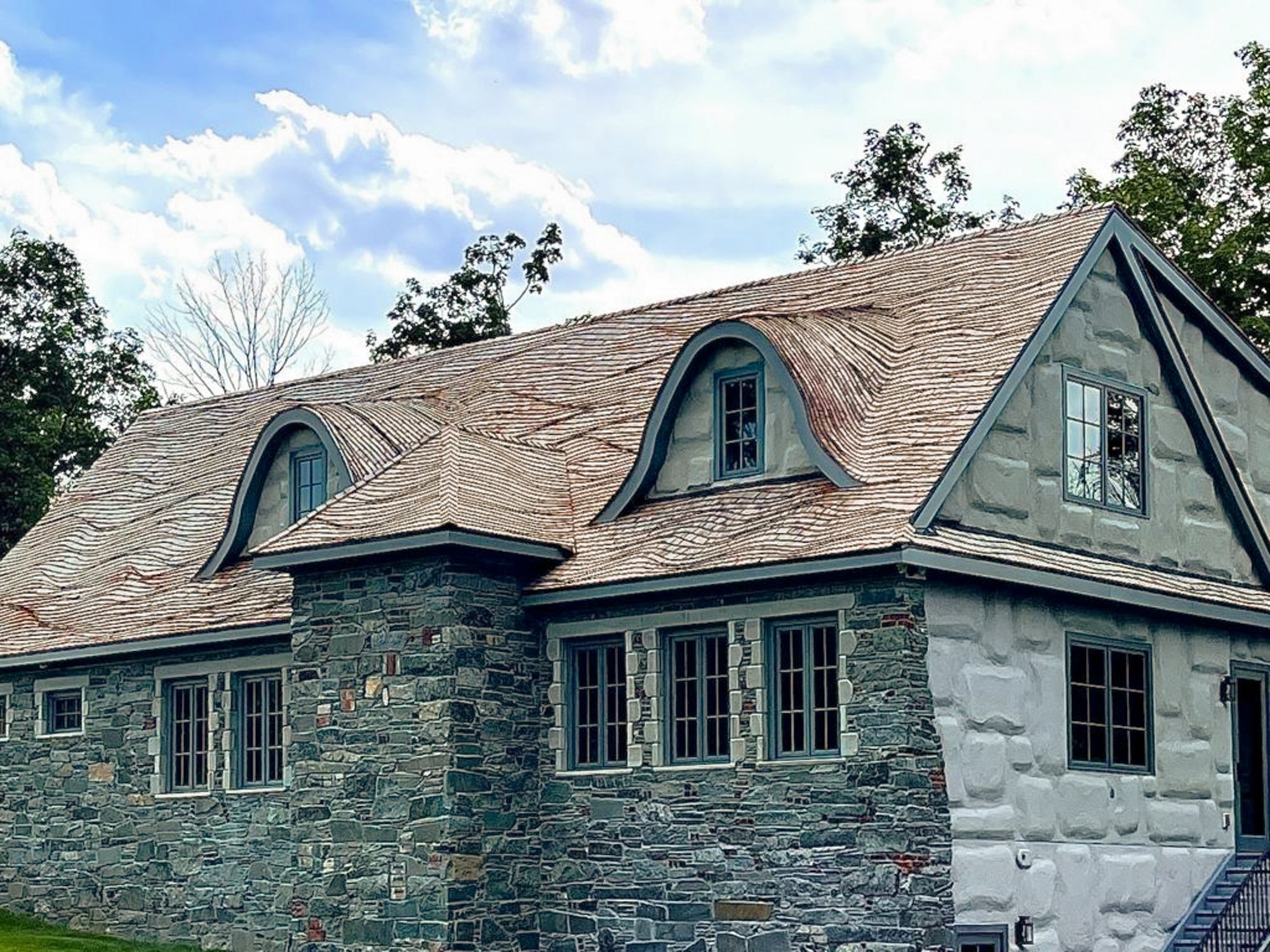
Cedar Shingle Roofing at the Baal Shem Tov Shul
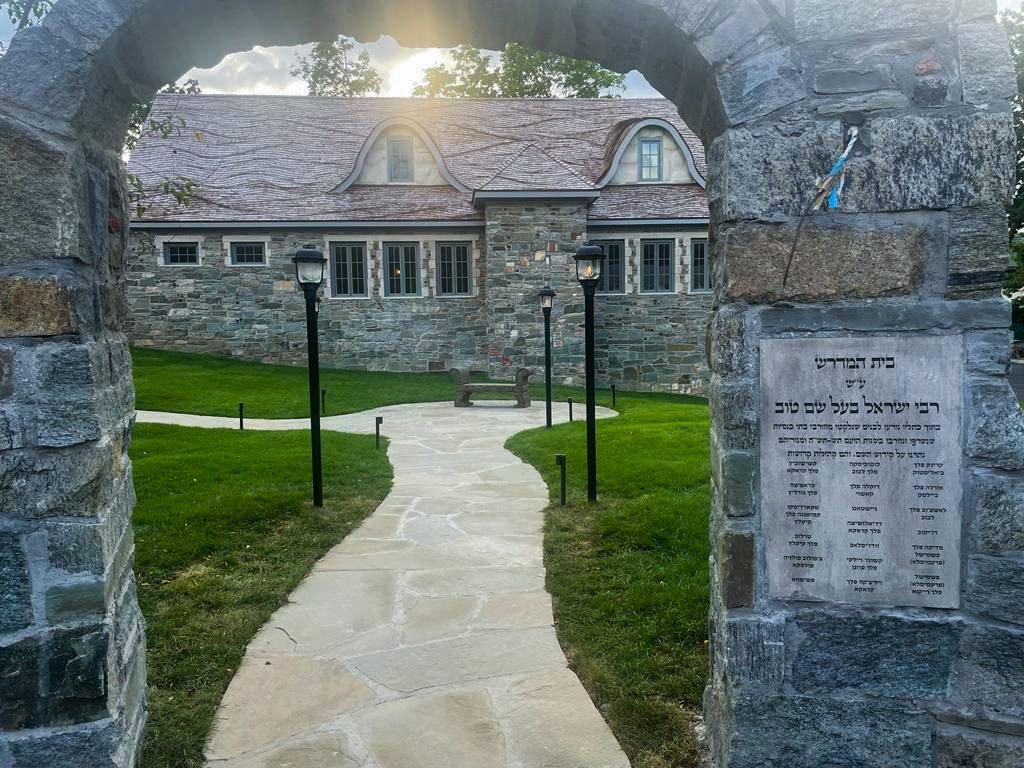
We recently had the privilege of roofing the Baal Shem Tov Shul located in New York. This building is a replica of a Ukranian Shul by the same name that was torn down during WWII. This replica even includes bricks various Poland Shuls, as well as bricks from the Mila 18 Bunker (The Rockland Daily).
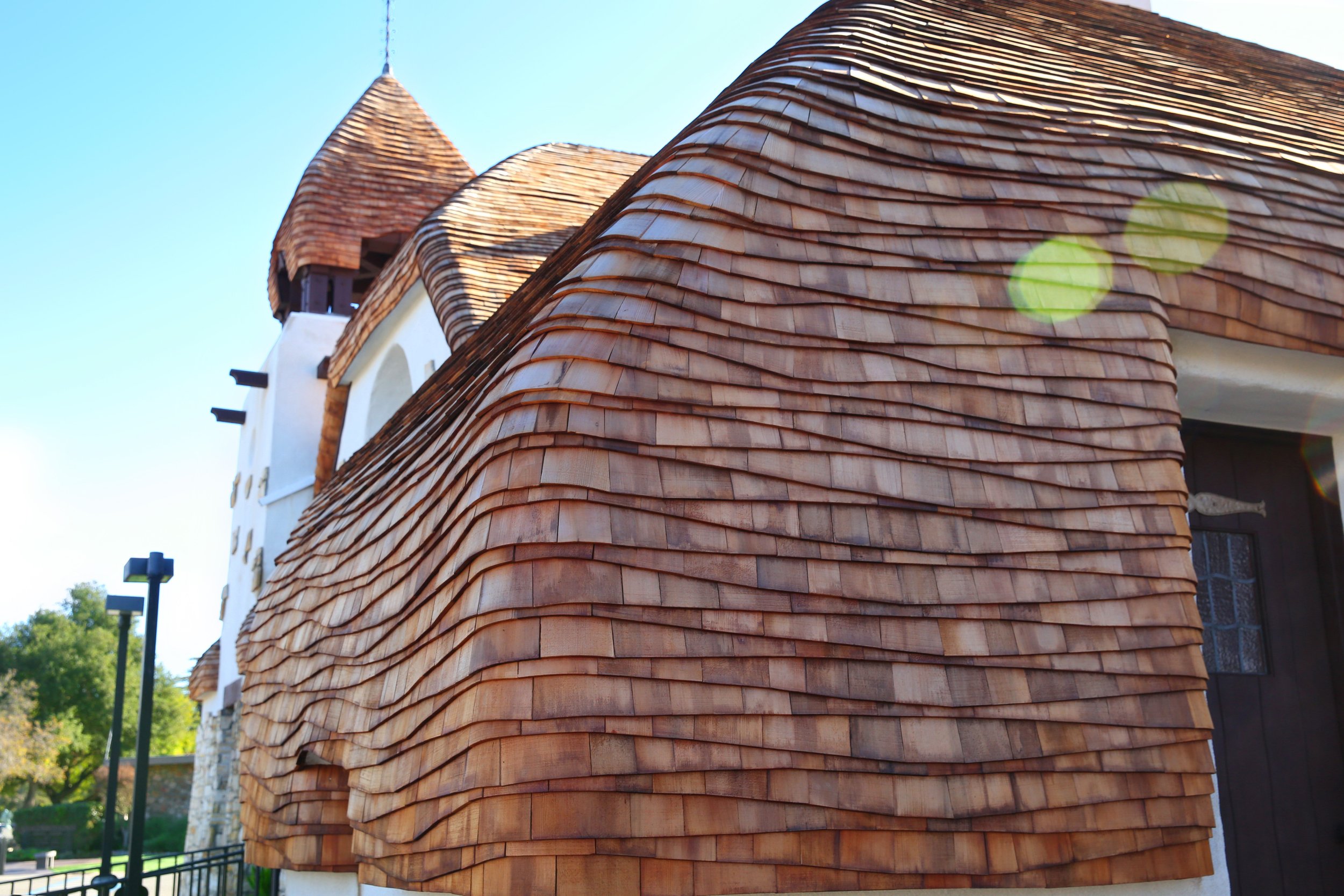
For the roof portion, they requested the faux-thatch look which was created by using our steam-bent cedar shingles along with a drunken weave installation pattern. Shingles used in this installation were #1 Fivex Western Red Cedar Shingles, with some being steam-bent to fit the curve of the dormers.
We were so honored to have a part in the making of this building, and hope it lives on to serve the people as well as the memories proudly.

Benefits Of Cedar Siding For Your Home
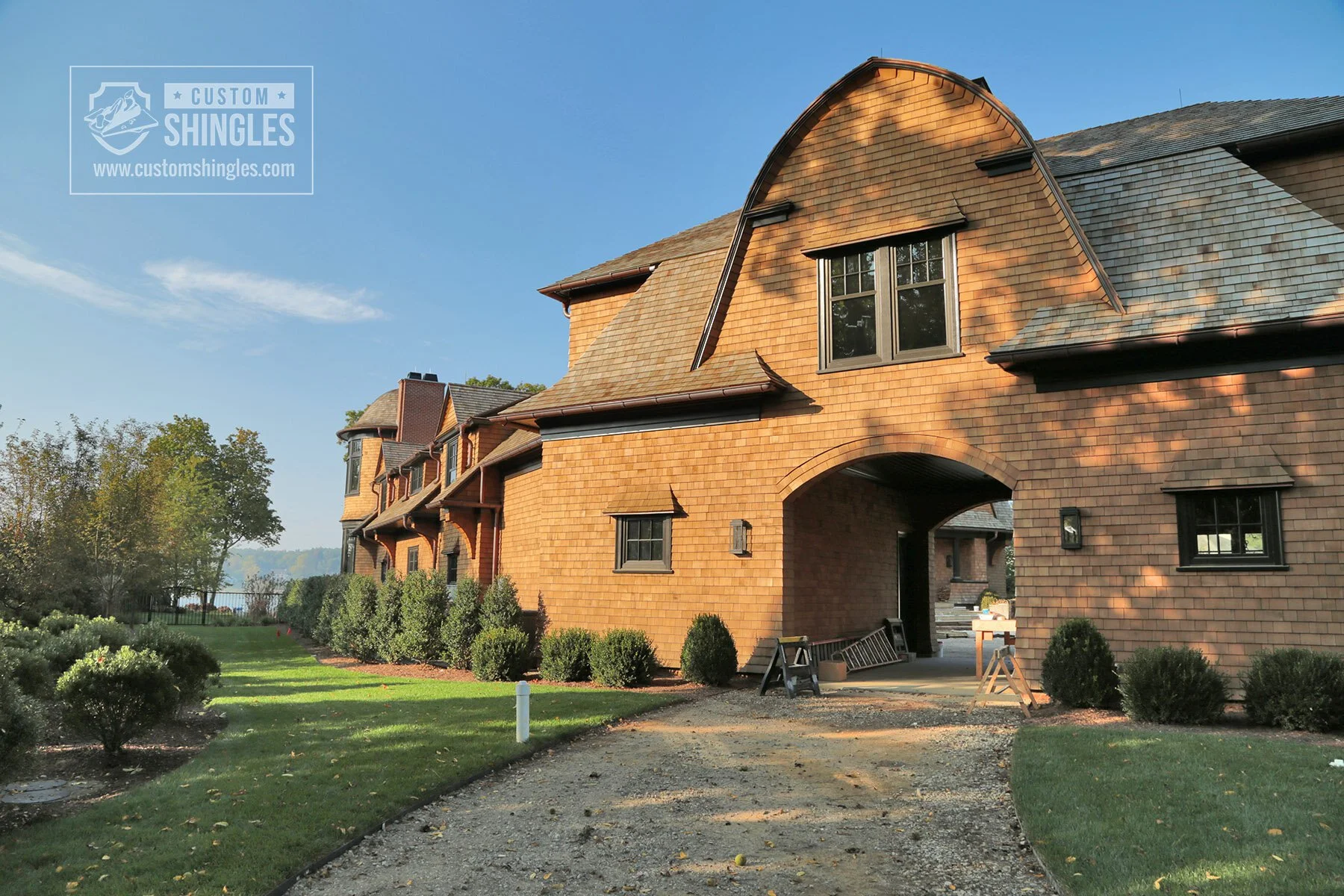
How To Choose The Right Gutters For Your Cedar Roof Home
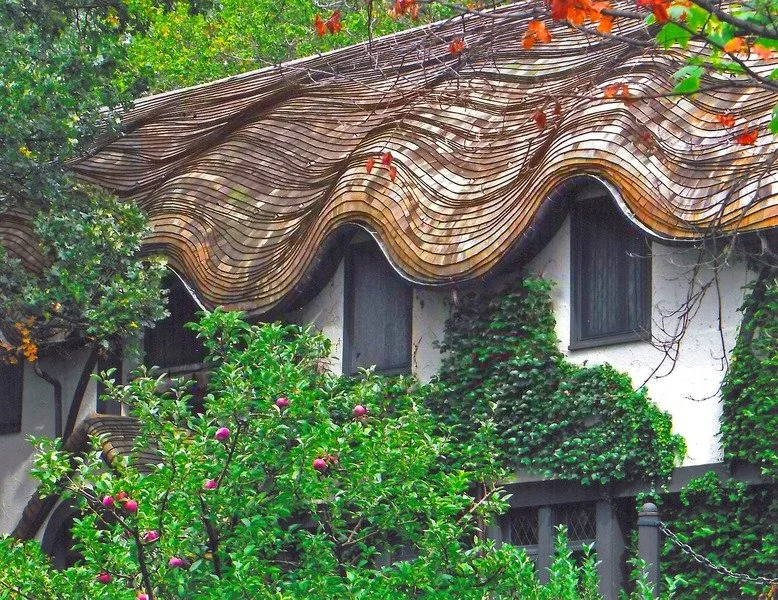
How Cedar Shingle Ridge Caps Are Made
1929 False-Thatch Cottage
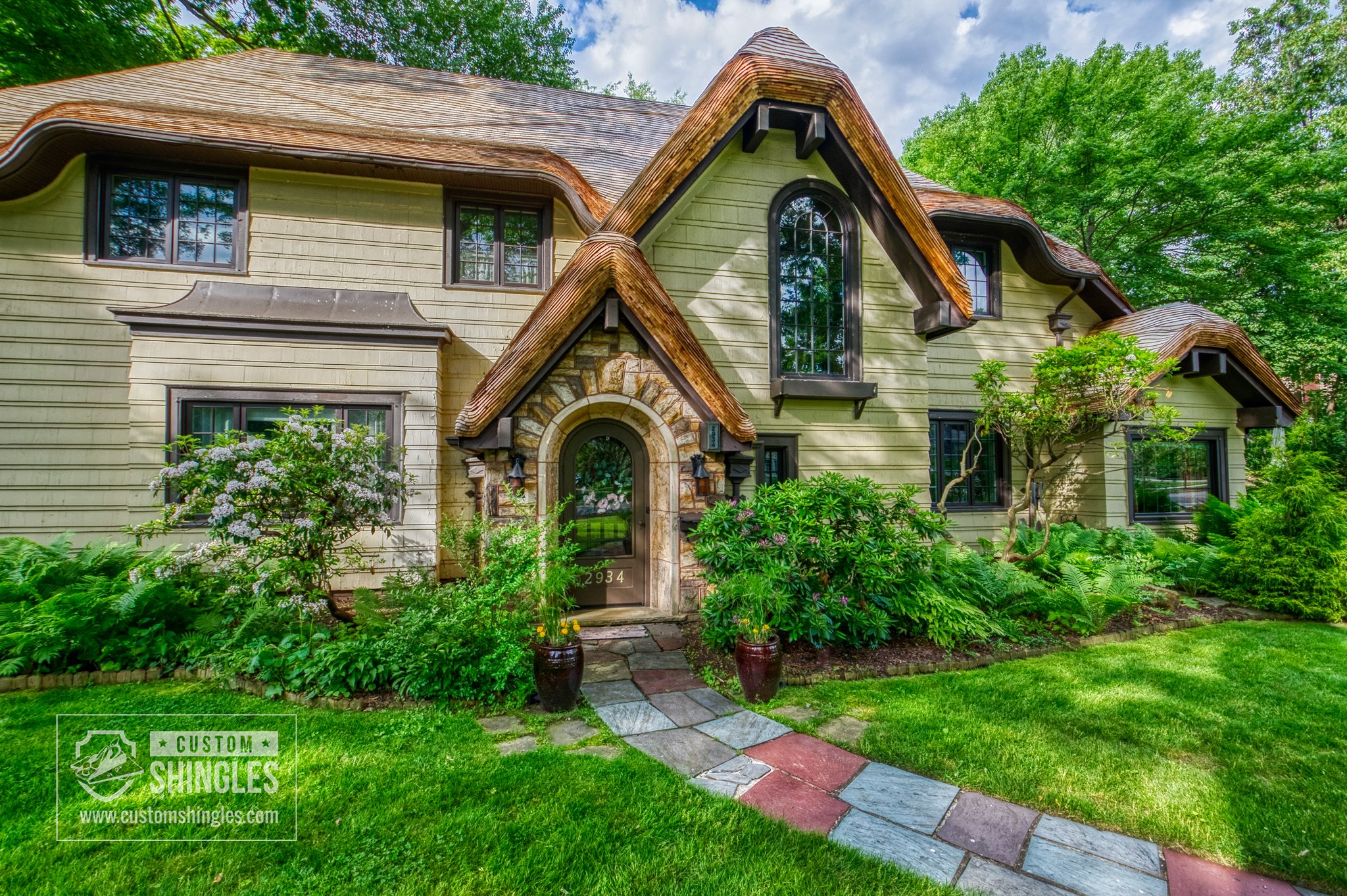
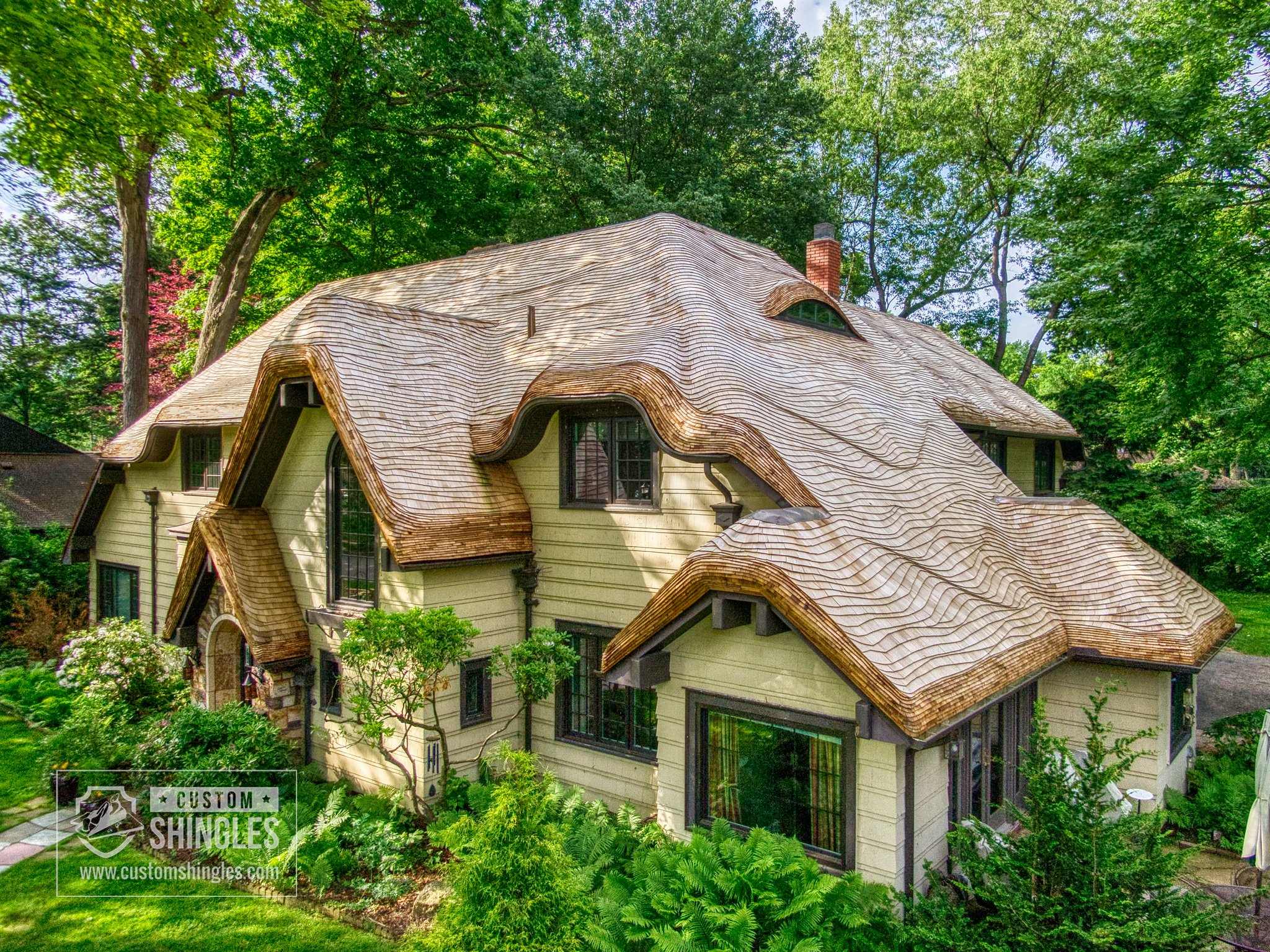
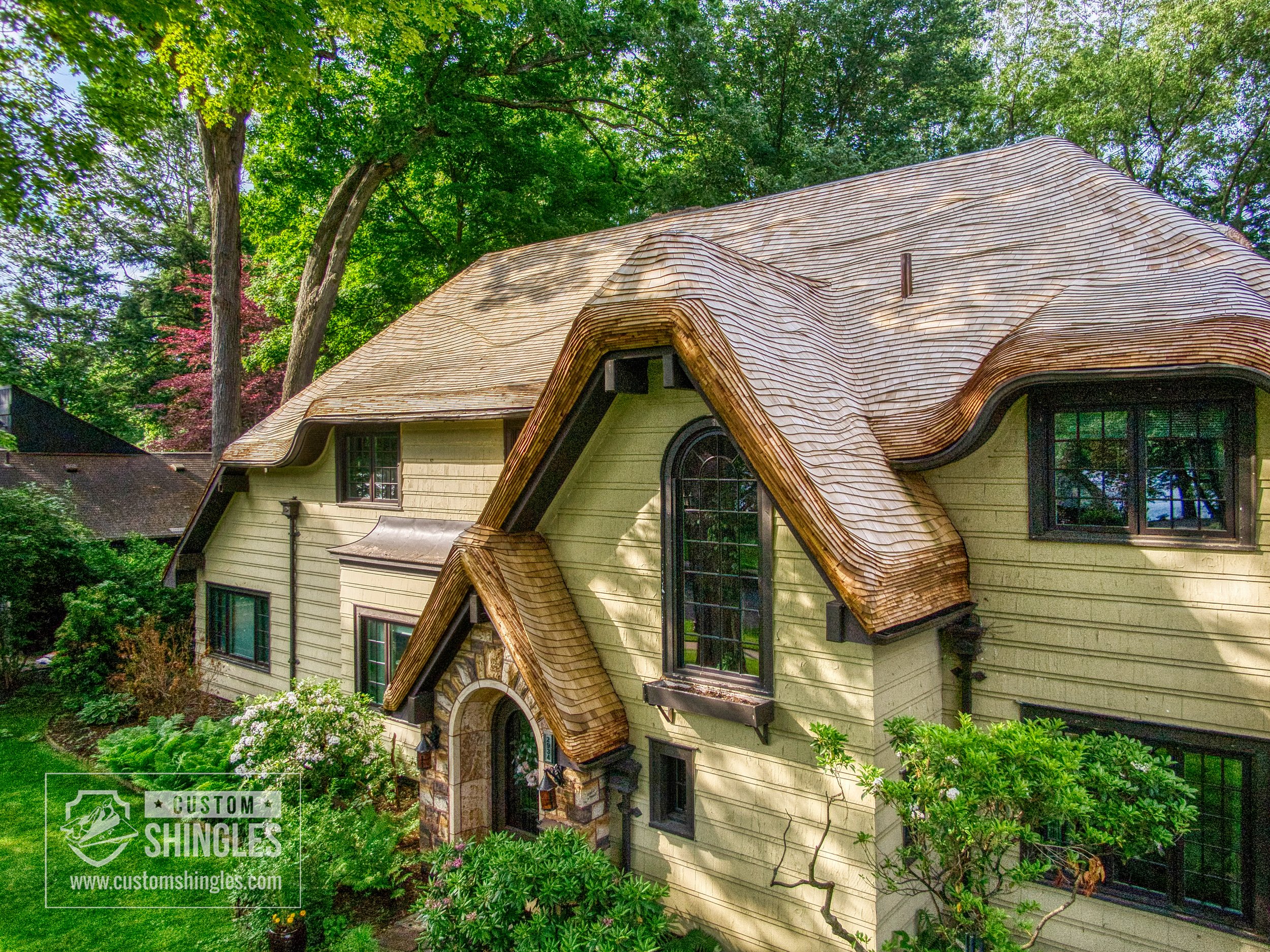
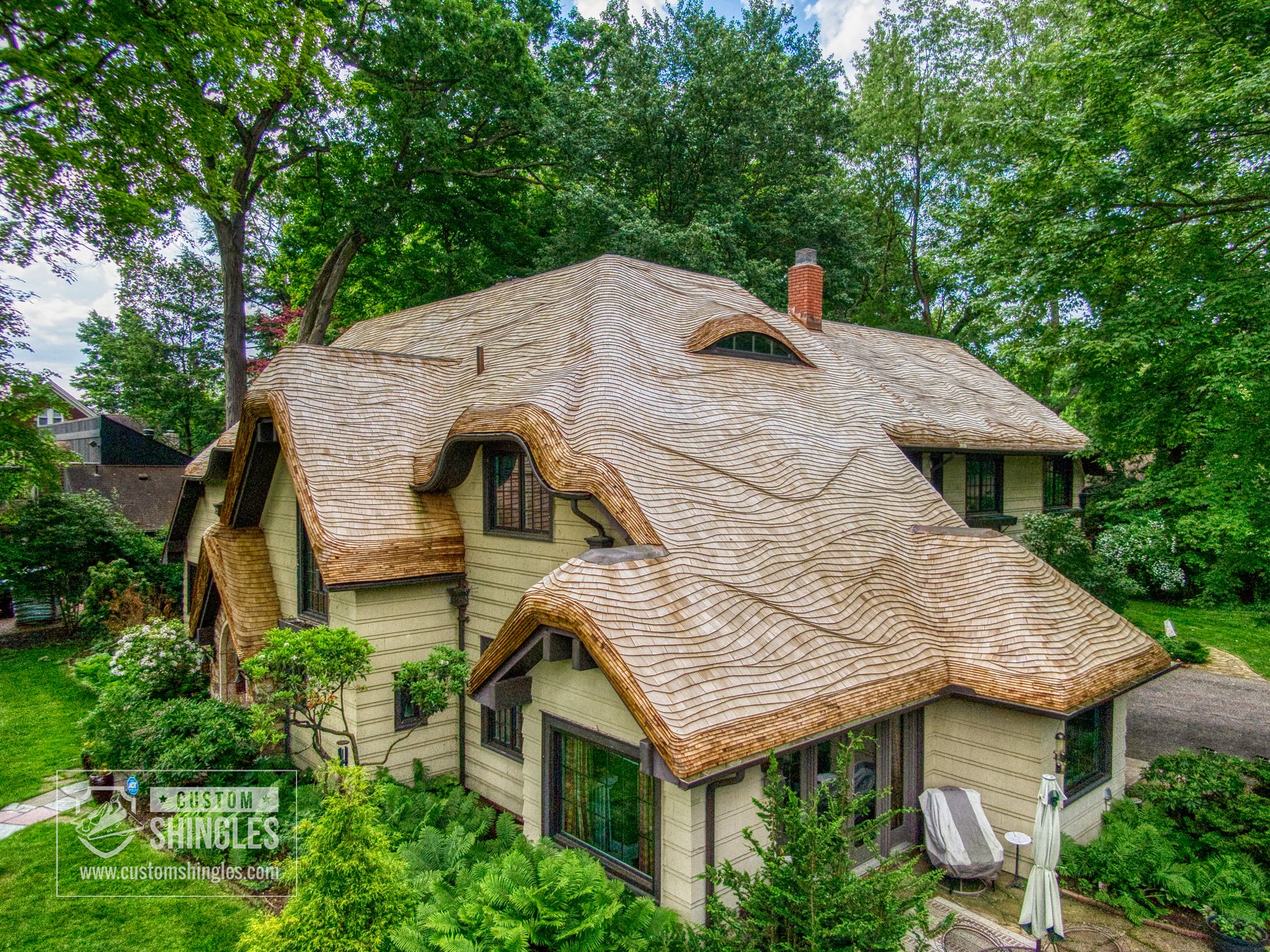
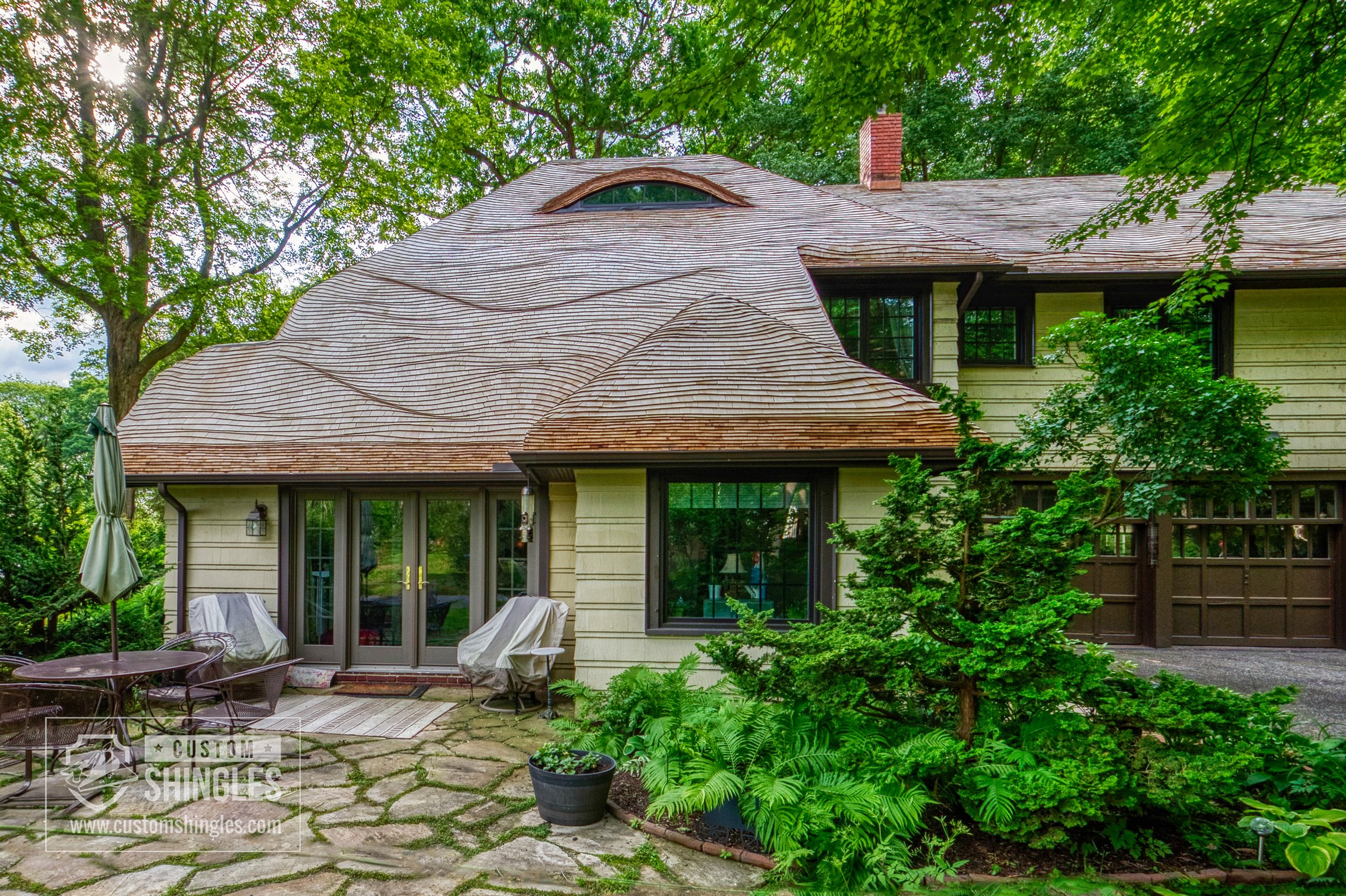
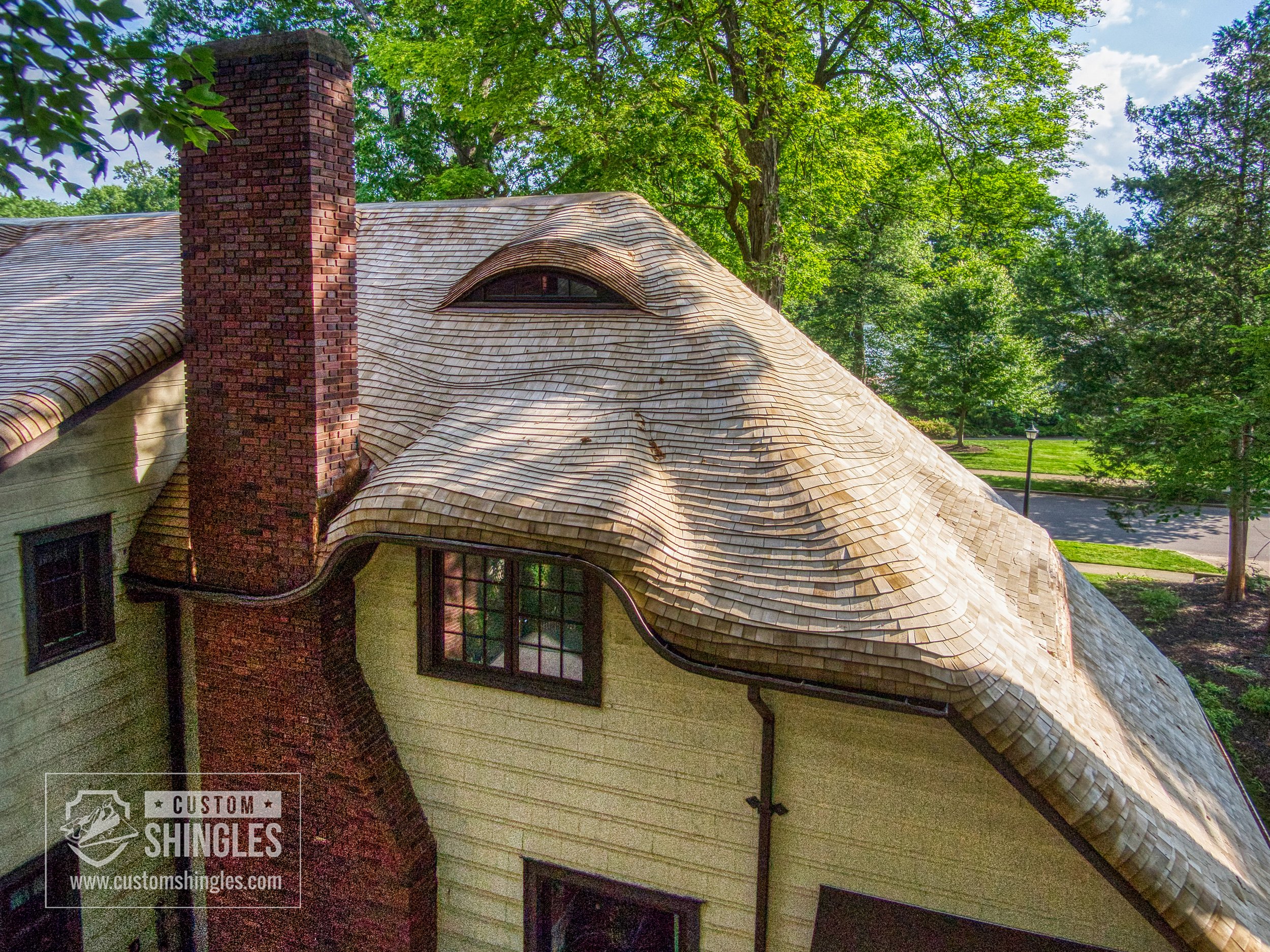
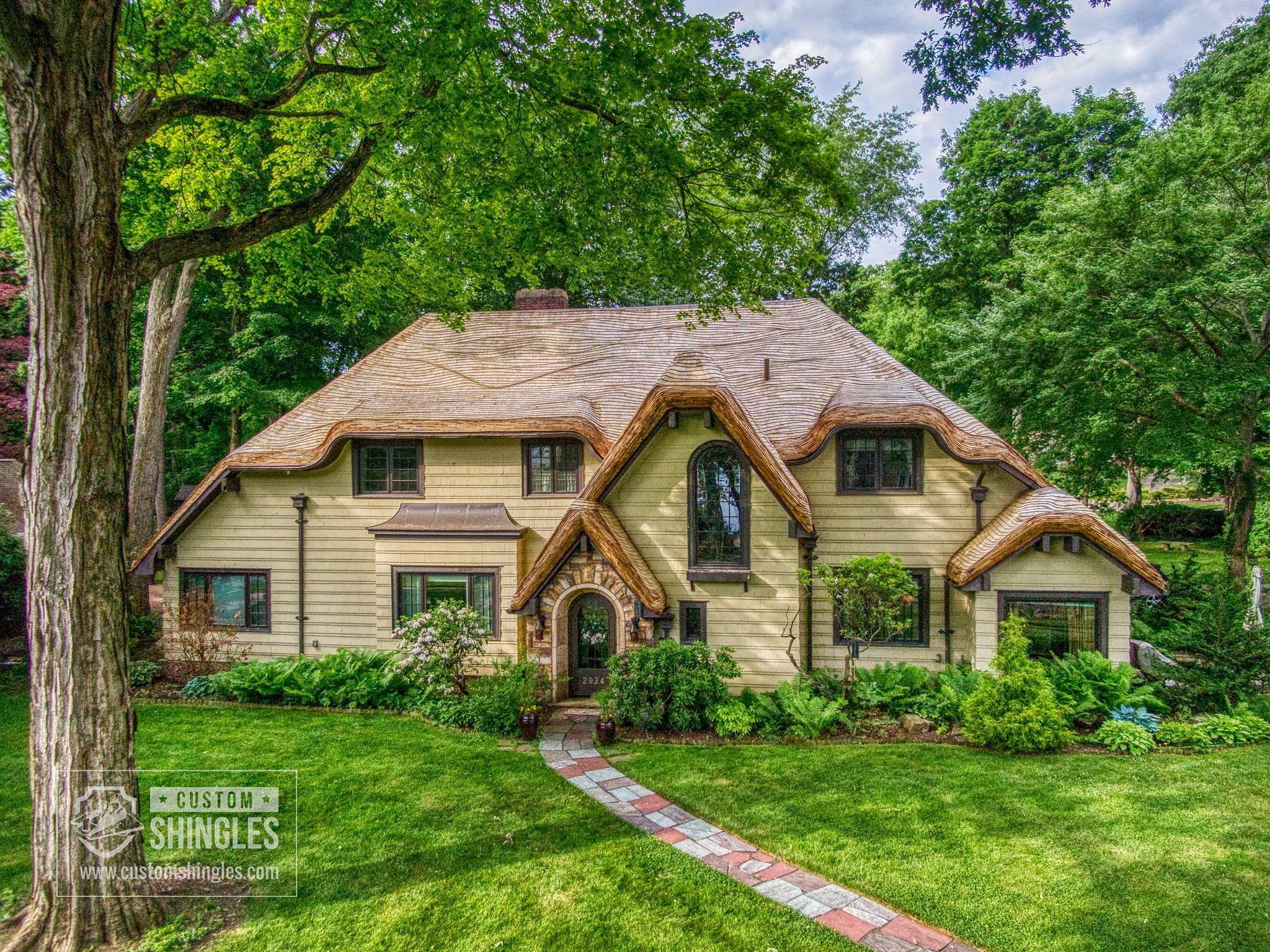
This stunning home is a local icon in a suburb outside of Arkon, OH. The original construction of the home was completed in 1929, when the “false thatch” roof design was all the rage. This particular home’s roof features ‘Zook’ shingles, a variation of the False Thatch style in which the gables and eaves are stacked with short shingles instead of being steam-bent. This variation comes from Bill Kramer who roofed for renowned architect R. Harold Zook. This home’s architect, Roy Firestone, used the same “Zook” shingle concept intertwined with the false thatch wave coursing. The roof we tore off is thought to have been previously replaced after a 1947 fire in the home, making the previous roof about 74 years old! Shingles used in our replacement were #1 Grade 16” 5X Western Red Cedar Shingles, which were CCA treated to help deter mold and mildew. Prior to tear-off, pictures of each roof plane were taken to be referenced back to during the installation process in order to match the design as closely as possible to the original. As with all historic homes, we match the design as closely as possible, while still finding ways to improve any design flaws to ensure the absolute longest life possible.