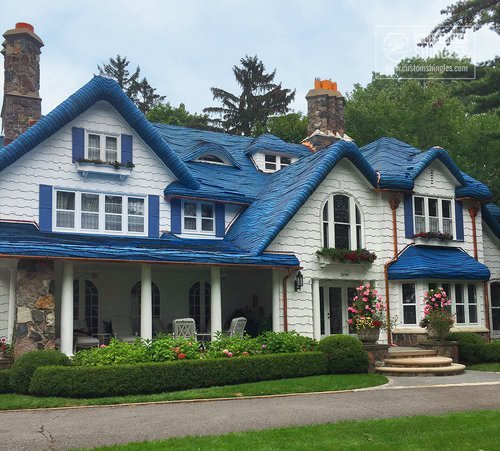
Holding a wood plank up to an open flame sounds like a great way to start a fire. However, it's also a great way to provide greater protection to the wood and make a roof look elegant and sophisticated. Learn more about this technique, first practiced more than two centuries ago, and the potential benefits it offers.
What Is Shou Sugi Ban?
Shou sugi ban involves charring the outer layer of wood of a plank. The method began in the 18th century when Japanese builders discovered that holding a flame to wood and slightly charring it helped better protect the wood against the elements.
Benefits of Wood Roof Shingle Charring
What does burning the surface of wood do? It sparks many advantages, including:
Discouraging insects from burrowing into the wood because the element that attracts them, lignin, is eliminated.
Holding up better against snow and rain as the technique essentially makes the wood waterproof.
Providing a unique appearance that appeals to viewers, a little different and darker than non-charred wood.
Does Burning Wood Make it Stronger?
Yes, charring wood makes the wood stronger. When you burn wood, the timber's grains become fused tighter together, making the wood more durable. Of course, the quality of the charring job contributes to that longevity. The craftsperson must know what they're doing or the results will be less impressive. The best wood type for burning has open-celled timbers, and softer wood generally works better than hardwood.